




















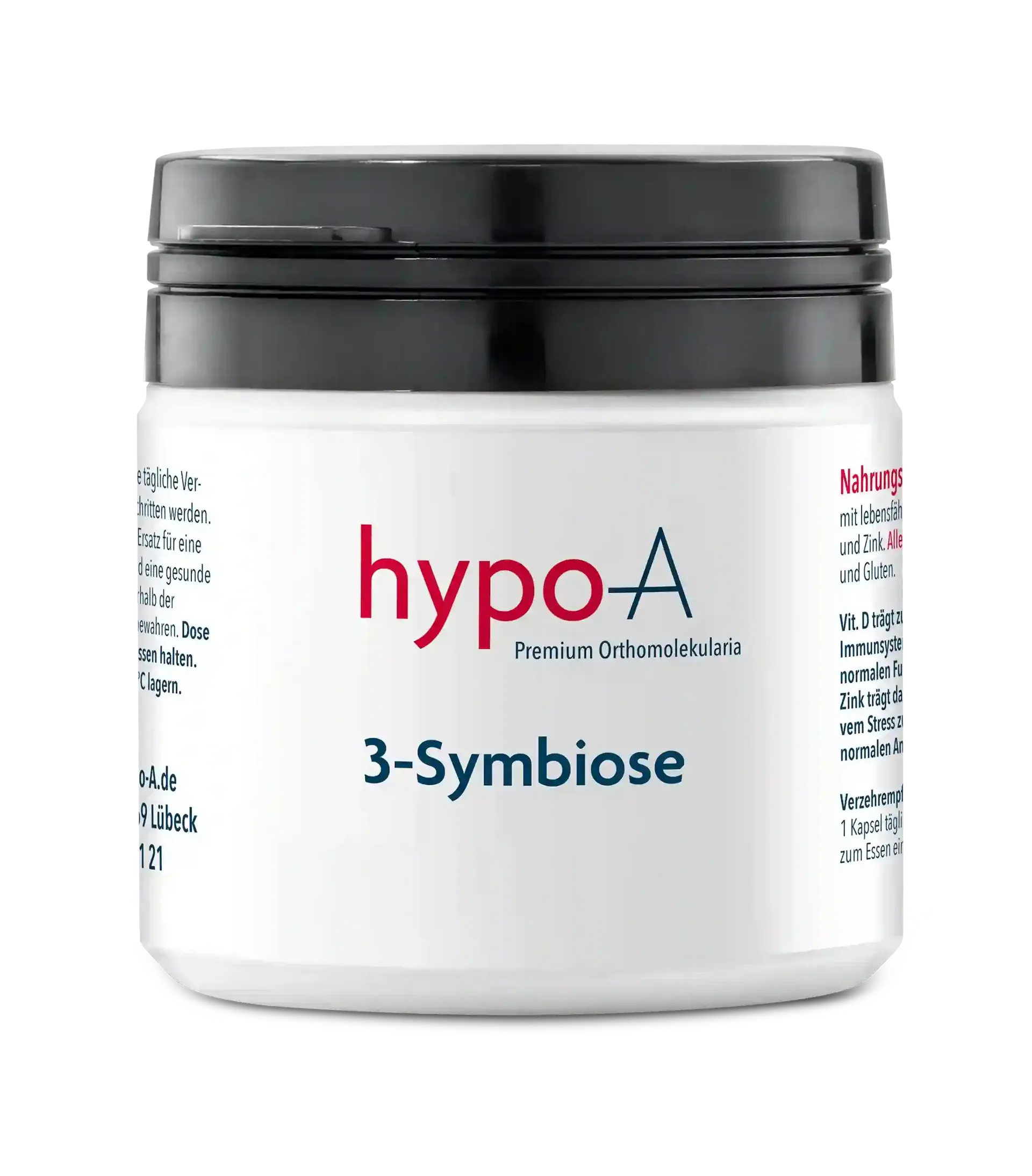
3-Symbiose | 100 Kapseln
3-Symbiose is a unique combination of two cultures of gut-active lactic acid bacteria, vitamins and the trace element zinc. A smart nutrients mix for metabolism, immune system and cell division - including in the gut.
Content: 0.055 kg (€776.36 / 1 kg)
42,70 €

Acerola Zink
Successful duo with tradition: Acerola Zinc combines pure, highly bioavailable zinc and vitamin C from the acerola cherry. Proven for decades - two strong partners for the immune system and antioxidant cell protection.
Content: 0.064 kg (€467.19 / 1 kg)
From 10,95 €

ADEK | 100 Kapseln
ADEK combines all four fat-soluble vitamins: Beta-carotene as a precursor of vitamin A, vitamin D3, E and K - sourced 100% from natural origins, embedded in organic linseed oil in hypoallergenic capsules.
Content: 0.093 kg (€474.73 / 1 kg)
44,15 €
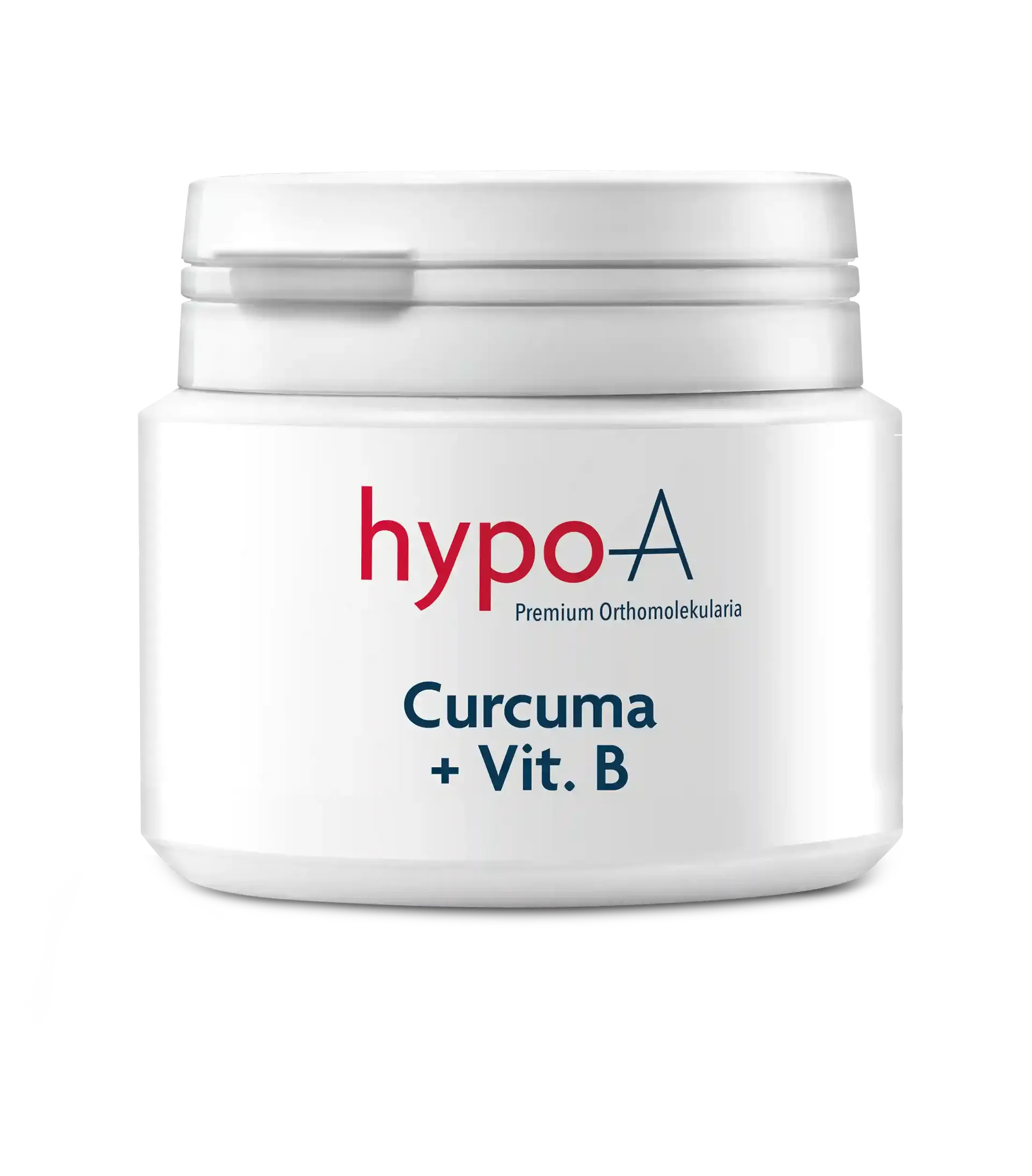
Curcuma + Vit. B | 60 Kapseln
Curcuma + Vit. B is a vegan food supplement with curcumin from organic turmeric, piperine for better bioavailability and the B vitamins biotin, vitamin B2, B3, B5 and B6, among other things for gentle mucous membrane care - especially for sensitive intestine.
Content: 0.0354 kg (€1,268.36 / 1 kg)
44,90 €

Eisen plus Acerola Vitamin C | 120 Kapseln
More oxygen - more life! Our body needs iron so that the blood can bind oxygen. Vitamin C supports iron absortion. Iron plus acerola vitamin C offers both in one capsule.
Content: 0.062 kg (€712.10 / 1 kg)
44,15 €

Kalium spe | 120 Kapseln
Some minerals are essential for our organism. Whether they are quantitative elements or trace elements, only the right quantity and composition ensures smooth metabolic processes.
Content: 0.0787 kg (€379.92 / 1 kg)
29,90 €

Lipon plus | 100 Kapseln
Lipon plus is a dietary supplement for the intake of alpha-lipoic acid with an extra boost of vitamin K, the "nerve vitamins" biotin, vitamin B1 and B3 as well as the trace element chromium for blood sugar level.
Content: 0.0553 kg (€798.37 / 1 kg)
44,15 €

Mineral plus | 100 Kapseln
A successful team needs strong players with different skills. Calcium, magnesium, folic acid and many more: here comes together what belongs together. Mineral Plus is our winning team for metabolism and vitality.
Content: 0.0994 kg (€331.99 / 1 kg)
33,00 €

Nachtkerzenöl | 150 Kapseln
When night falls, the common evening primrose flares up, unfurls its large yellow flowers and exudes its sweet scent. For a single night, it blossoms into a queen and enchants insects as well as humans.
Content: 0.1073 kg (€278.66 / 1 kg)
29,90 €
not available

NK-Borretschöl
Evening primrose and borage are annual plants that create something valuable in their short lives: after flowering, their small seeds contain pure gold. Enjoy this special combination of unsaturated omega-6 fatty acids.
Content: 0.0855 kg (€349.71 / 1 kg)
29,90 €

Q10 plus Vitamin C | 90 Kapseln
Perfect Duo: Q10 plus vitamin C combines coenzyme Q10 (Ubiquinone) with natural vitamin C from the acerola cherry as a cell-protecting antioxidant and helper for the immune system and energy metabolism.
Content: 0.0675 kg (€654.07 / 1 kg)
44,15 €

Selen plus Acerola Vitamin C | 120 Kapseln
Twice as good together: selenium plus acerola vitamin C combines organically bound selenium as selenium yeast with vitamin C from the acerola cherry. A naturally powerful duo for the immune system and antioxidant cell protection.
Content: 0.066 kg (€668.94 / 1 kg)
44,15 €

Selen | 120 Kapseln
hypo-A Selenium - the essential trace element selenium as a rapidly bioavailable and safely dosed inorganic sodium selenite. For antioxidant cell protection, thyroid and immune system - combined with plant-based glucosamine and 100 % vegan.
Content: 0.0854 kg (€516.98 / 1 kg)
44,15 €

Spurenelemente
One capsule - four trace elements: zinc, selenium, manganese and chromium. Pure, highly bioavailable micronutrients for the immune system, blood sugar levels, skin, hair, nails, metabolism and natural cell protection.
Content: 0.055 kg (€543.64 / 1 kg)
From 10,95 €

Vitamin B-Komplex plus
Here comes happiness: B vitamins are the messengers of happiness among the vitamins. In combination with the essential trace elements zinc and manganese, they are a real benefit for nerves and mood. Following the motto: B happy!
Content: 0.0588 kg (€641.16 / 1 kg)
From 13,85 €

Zink | 120 Kapseln
Zinc is an essential trace element that is required for numerous metabolic processes, the immune system and cell division. Organic zinc, such as the zinc gluconate contained in hypo-A Zinc, is particularly well absorbed.
Content: 0.051 kg (€715.69 / 1 kg)
36,50 €