



















Content: 0.065 kg (€838.46 / 1 kg)
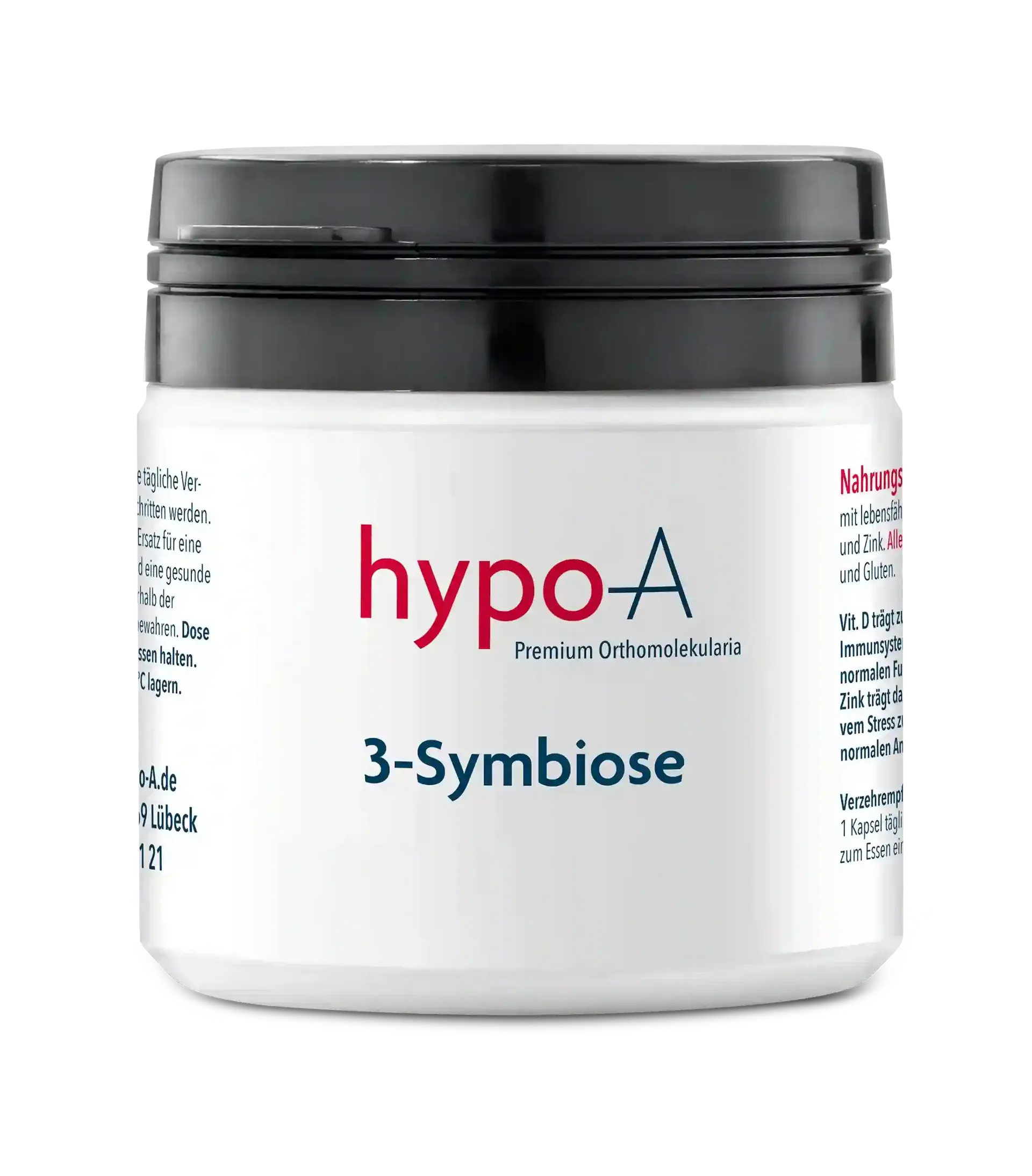
Content: 0.055 kg (€776.36 / 1 kg)

Content: 0.093 kg (€474.73 / 1 kg)

Content: 0.057 kg (€578.95 / 1 kg)
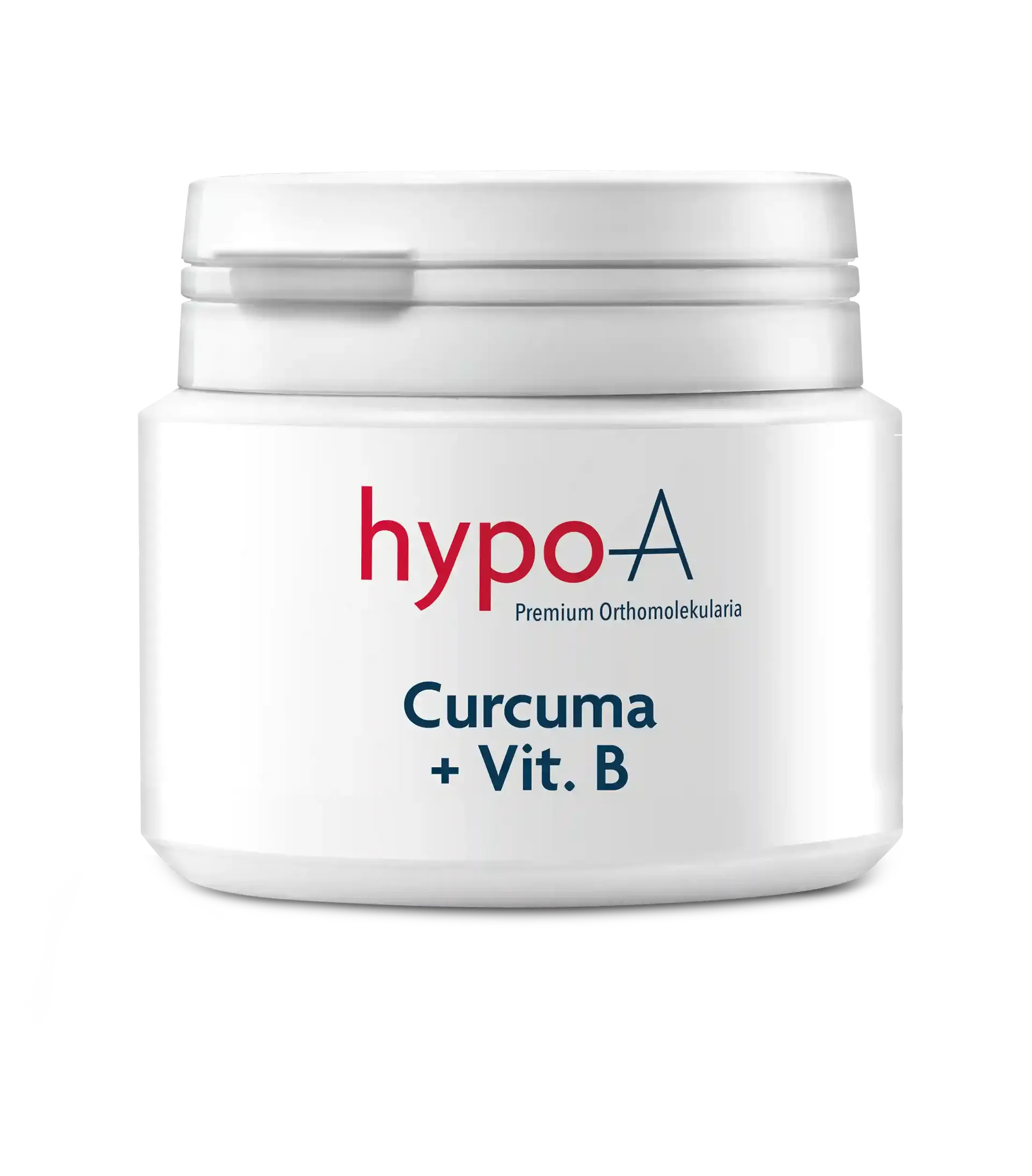
Content: 0.0354 kg (€1,268.36 / 1 kg)
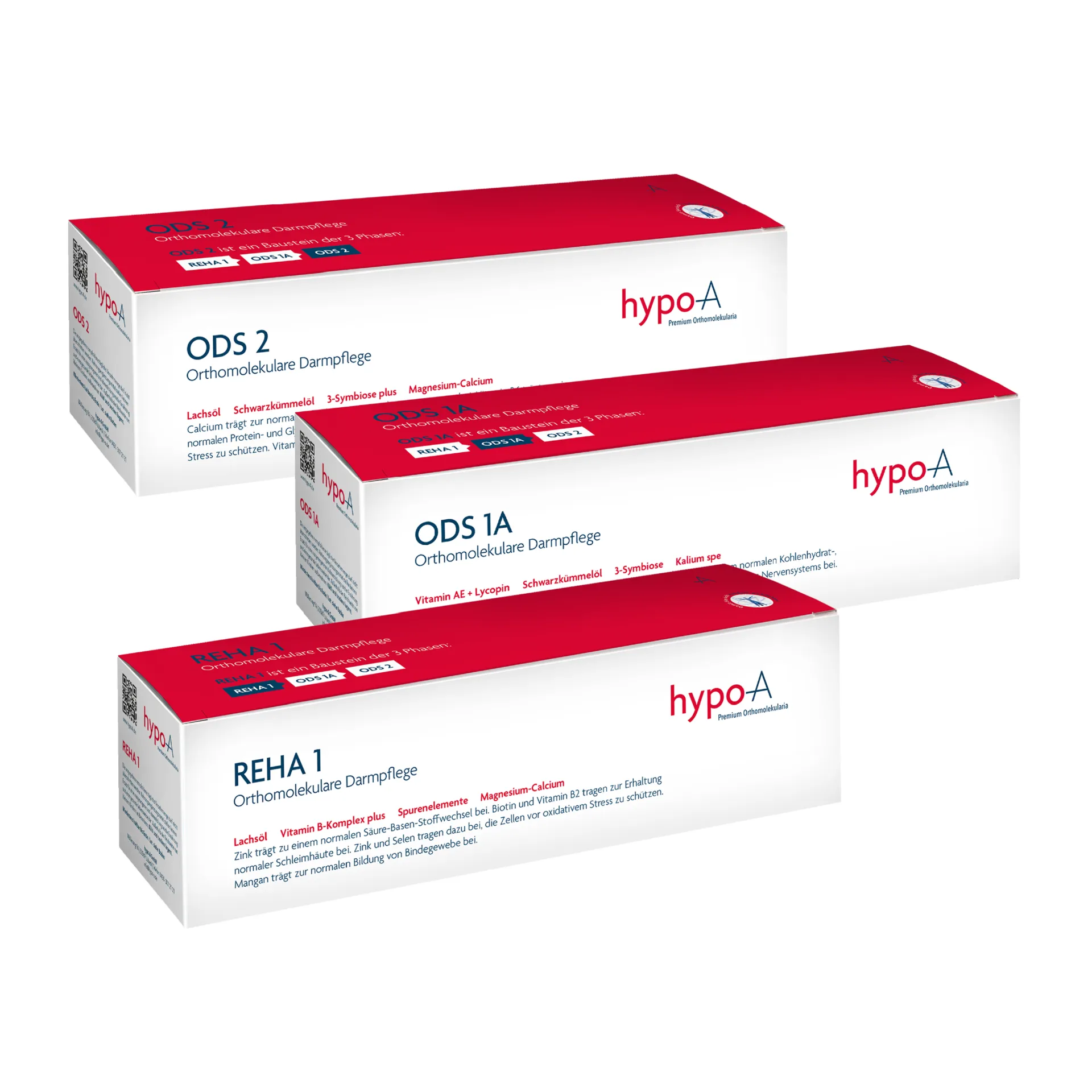

Content: 0.063 kg (€916.67 / 1 kg)
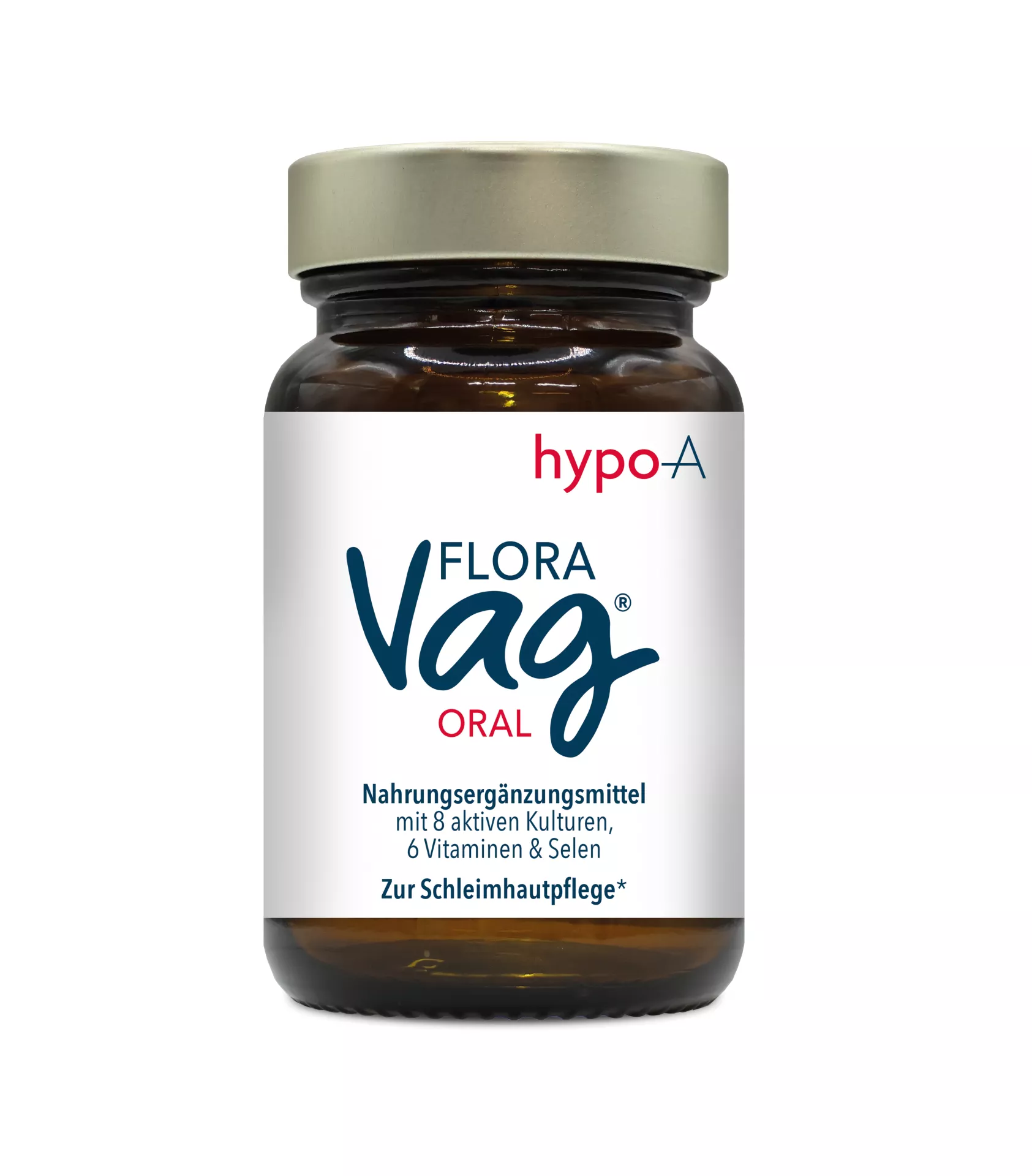
Content: 0.03 kg (€1,250.00 / 1 kg)

Content: 0.0553 kg (€798.37 / 1 kg)

Content: 0.0696 kg (€429.60 / 1 kg)

Content: 0.0994 kg (€331.99 / 1 kg)
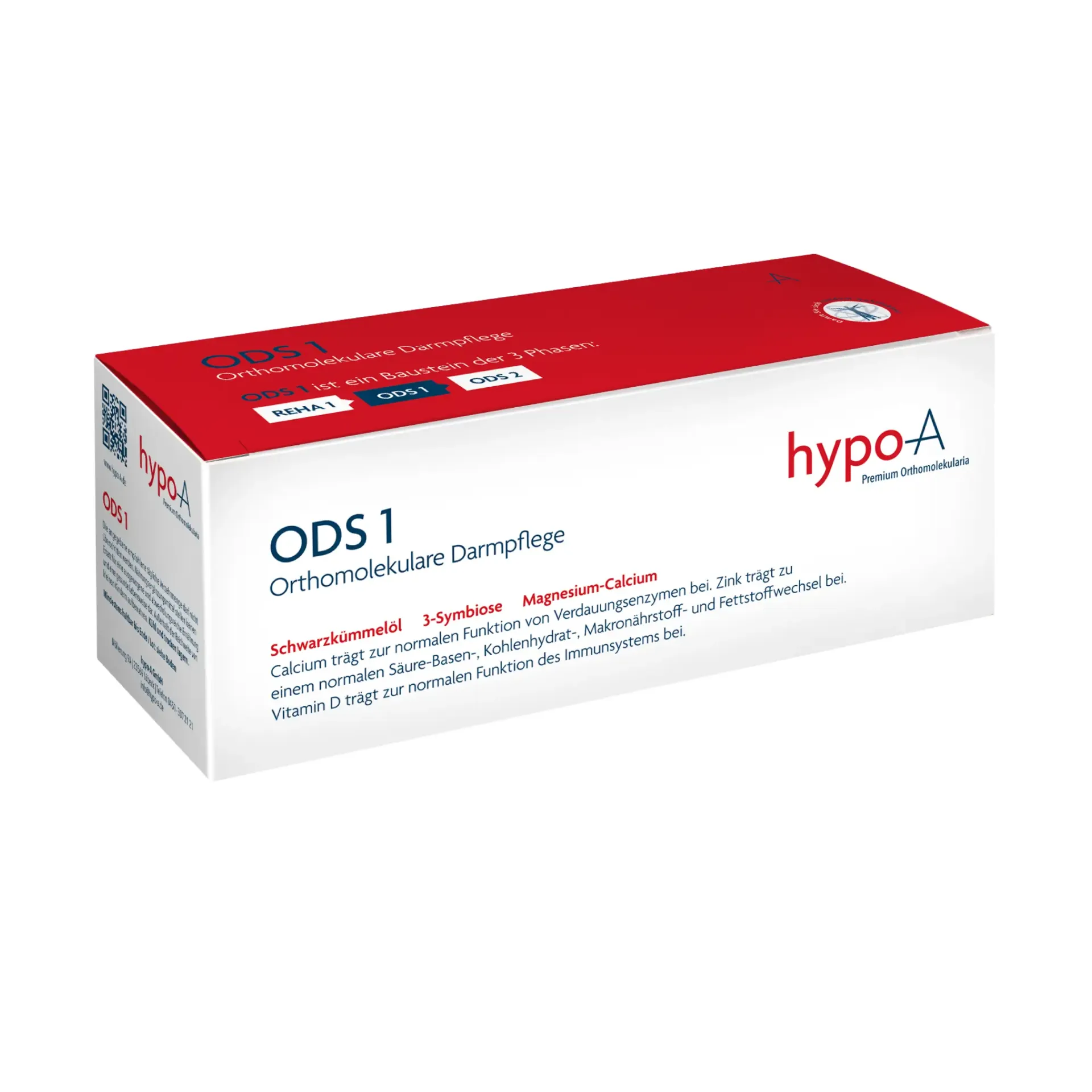
Content: 0.2364 kg (€433.59 / 1 kg)
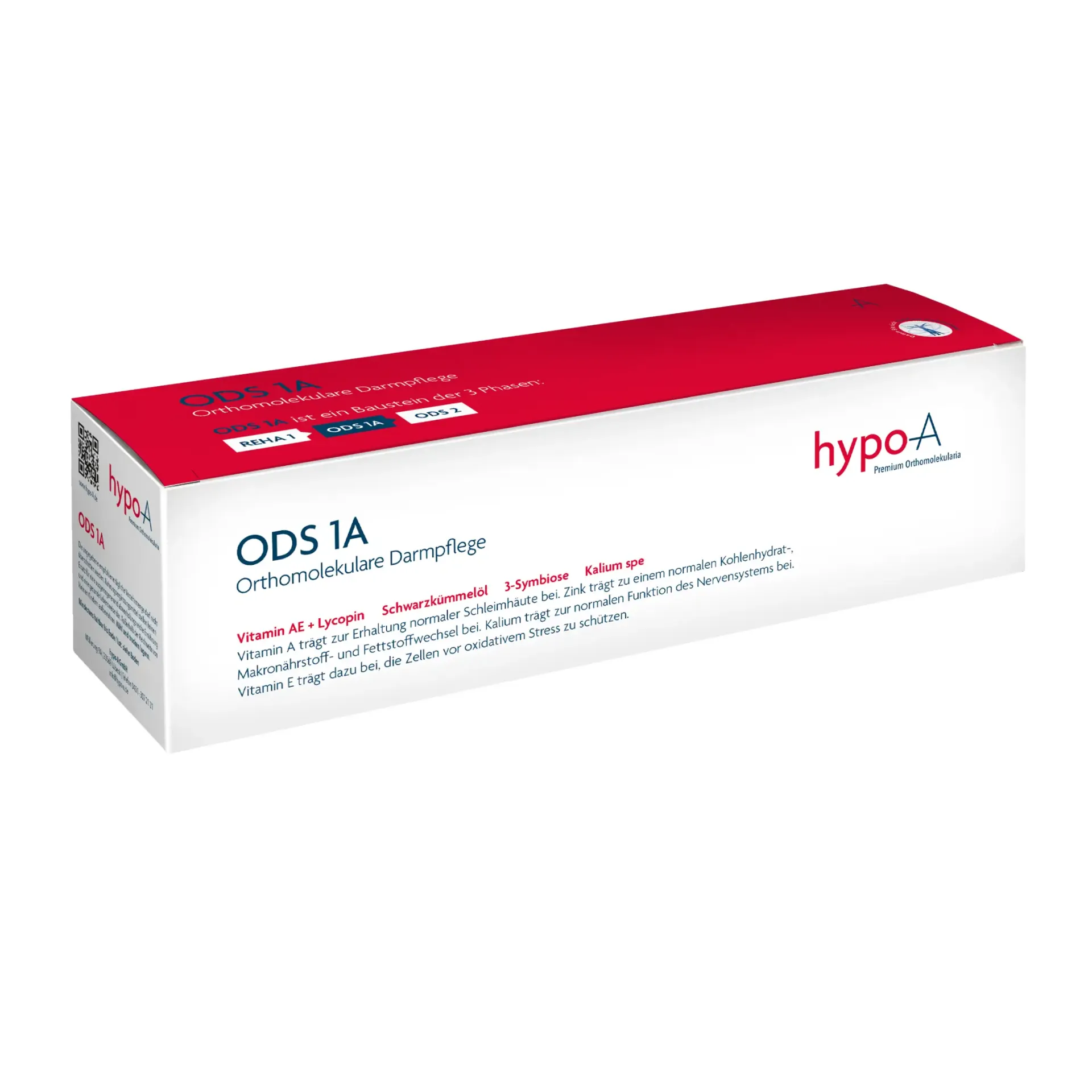
Content: 0.314 kg (€462.42 / 1 kg)
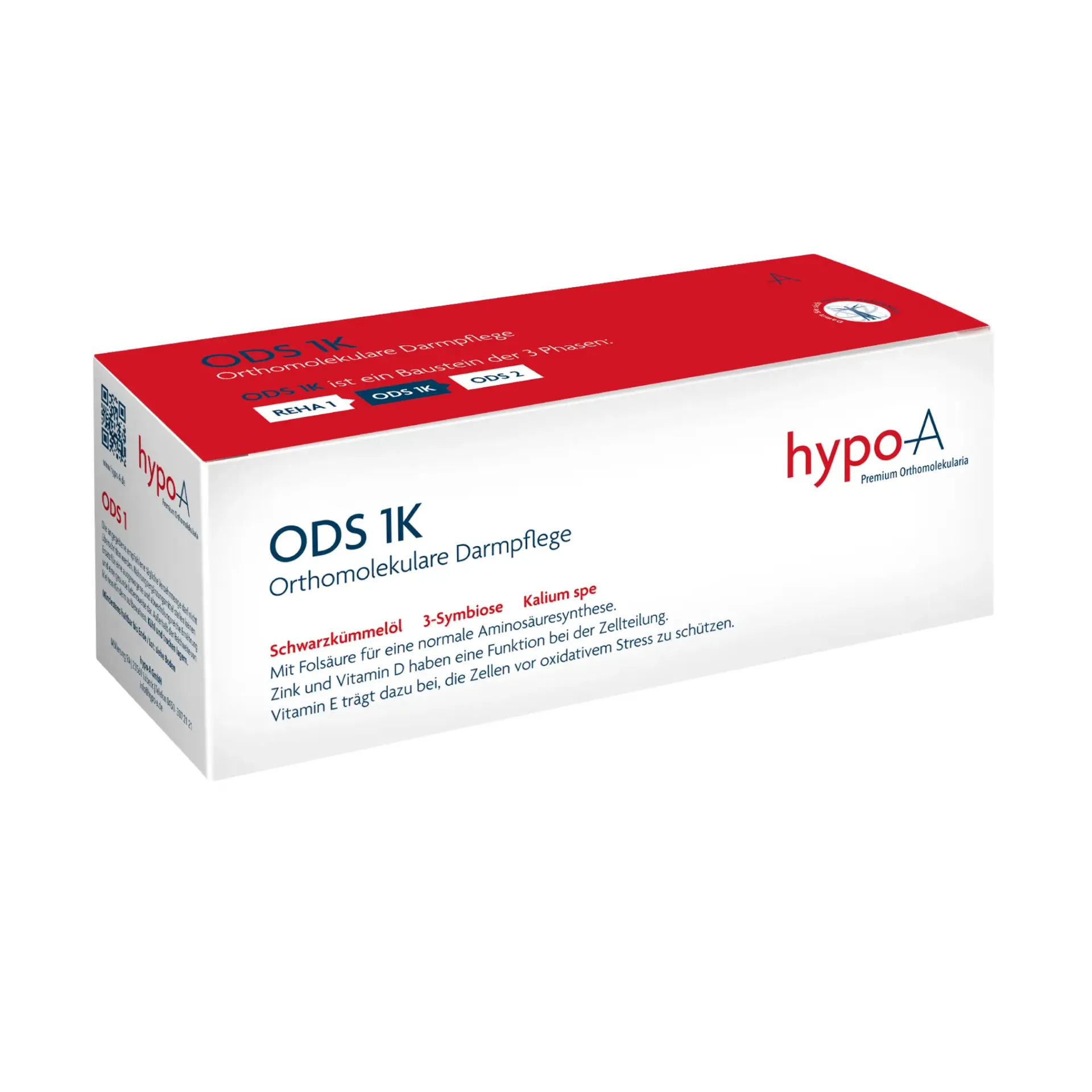
Content: 0.2455 kg (€417.52 / 1 kg)
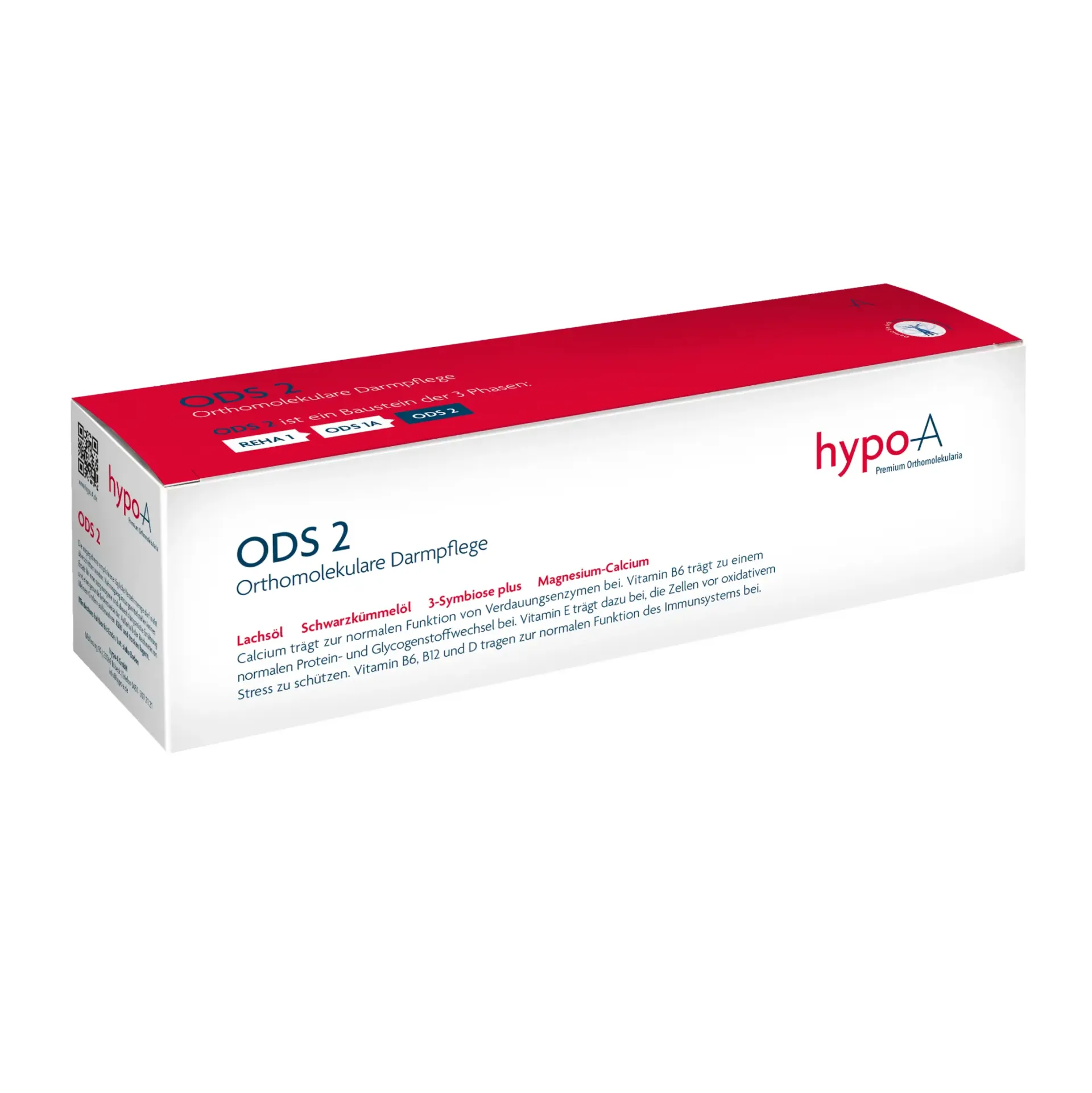
Content: 0.3537 kg (€407.69 / 1 kg)
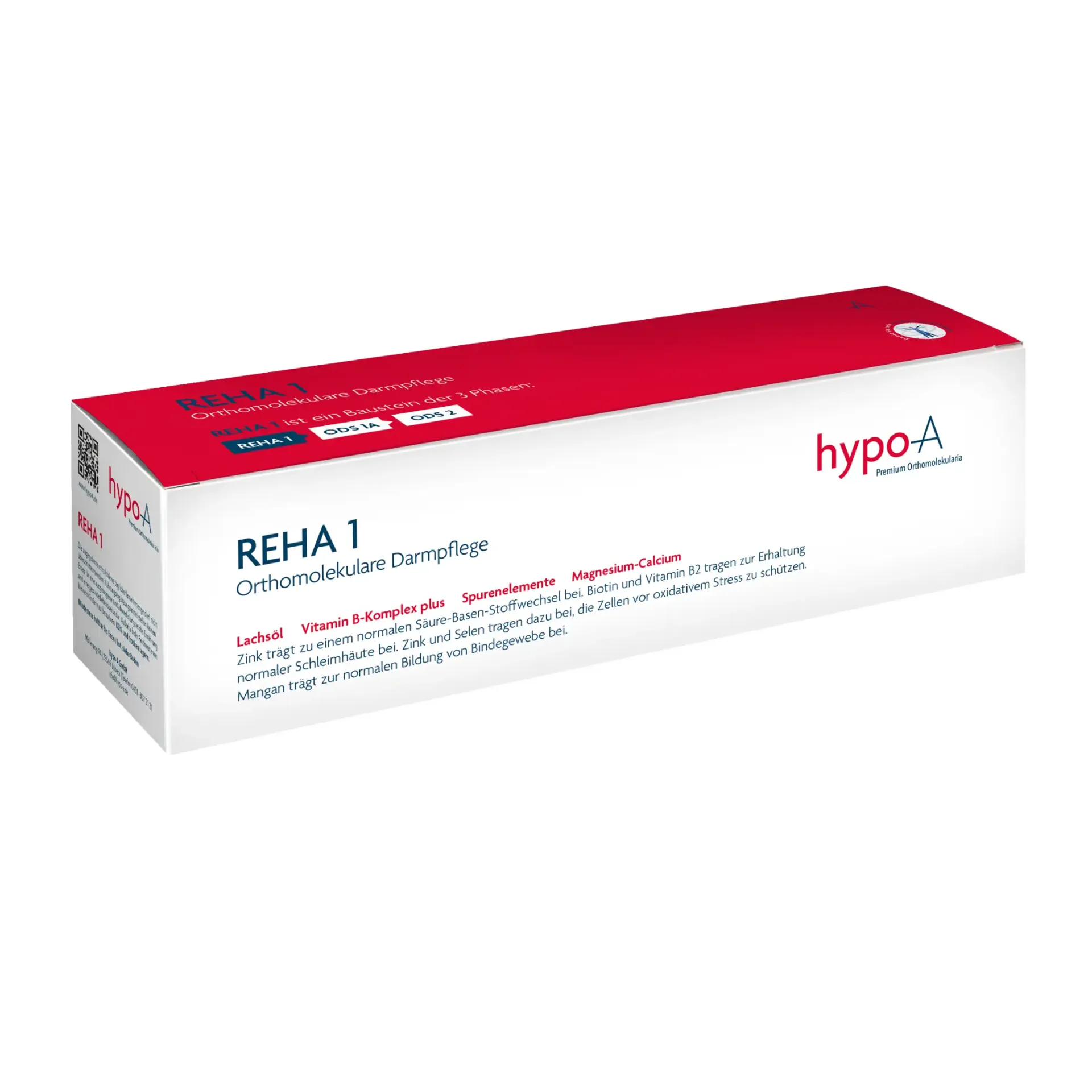
Content: 0.2907 kg (€438.25 / 1 kg)

Content: 0.1118 kg (€267.44 / 1 kg)

Content: 0.0685 kg (€623.36 / 1 kg)

Content: 0.0588 kg (€641.16 / 1 kg)
Digestion begins in the mouth
It is not only what we eat that is important for our well-being - but also how we eat. The masterpiece of digestion begins in the mouth: we grind the food with our teeth, the saliva liquefies it and enriches it with the enzyme amylase, which breaks down carbohydrates into simple sugars. The more thoroughly we chew, the more we support our stomach and intestines. We should take this time for healthy digestion - and really enjoy our food.
The stomach: muscles and enzymes at work
Comminuted food reaches the stomach via the oesophagus. Here it is converted into food pulp by the gastric juice. Different processes work together as if by magic for digestion: Mechanical processing takes place through kneading movements of the oblique muscle layers of the stomach, chemical digestion through components of the gastric juice. The hydrochloric acid destroys harmful bacteria and activates the enzyme pepsin, which breaks down proteins. Light meals remain in the stomach for about 2 hours. Further enzymes, the lipases, are required to digest fatty foods, so that the stay in the stomach can last up to 8 hours before the journey through the body continues.
Food for the metabolism: absorption of vitamins and minerals in the small intestine
The small intestine is responsible for the absorption of nutrients into the body. In the first section of the small intestine, the duodenum, the food pulp meets bile and pancreatic secretions, which contain numerous enzymes. Among other things, carbohydrates are converted into simple sugars, proteins are broken down into amino acids and fats into free fatty acids. The absorption of minerals and trace elements, as well as many vitamins, also takes place mainly in the small intestine.
In order to optimally absorb nutrients, nature has equipped the surface of the small intestine with a fascinating system of millions of folds and tiny protrusions of the mucous membrane. Annular folds with finger-like villi and thin projections, the microvilli, increase the contact surface of the small intestine with food many times over - to around 200 square metres.
Through the intestinal mucosa, the molecules as the smallest food components finally enter the bloodstream and from there into the cells. Healthy digestion is therefore an essential component of an intact metabolism.
Wiebke Ivens, Managing Director and daughter of the founder of hypo-A:
"Our food should not only fill us up, but above all keep us healthy."
Bacteria and other microorganisms: the large intestine as the home of the gut microbiome
When food residues enter the large intestine, they are nearing the end of their journey through our digestive system. Having been deprived of most of their nutrients, they now encounter a population of around 100 trillion microorganisms - bacteria, viruses and protozoa.
The composition and health of this microbiome are closely linked to our diet. A varied diet based on fresh, organic food supports its diversity, while industrialised eating habits limit the diversity of the microbiome. This complicates its functions in the areas of digestion, metabolism, the production of messenger substances and the immune system.
Through the removal of water and the addition of mucus by the goblet cells of the intestinal mucosa, the food residue is ultimately compacted into stool and prepared for excretion. This is where the journey of our food ends. On its journey through the approximately 6 metre long gastrointestinal tract, it has provided the body with energy and nutrients within 1-3 days. In the process of digestion, it has contributed to the maintenance of our life with the help of perfectly coordinated biochemical and mechanical processes, enzymes, secretions and bacteria.
Wiebke Ivens, Managing Director and daughter of the founder of hypo-A:
"We don't eat for pleasure, but hopefully with a lot of enjoyment!"
Stress, fast food or too much fat? Feeling full after eating
Are you familiar with the unpleasant feeling of having a stone in your stomach after a meal and wanting to rest? This feeling of fullness is annoying, but usually harmless. It is often accompanied by belching, heartburn, flatulence or sluggish digestion.
Causes of a feeling of fullness
Sometimes all it takes is hasty eating to feel "stuffed" instead of revitalised. By not chewing our food sufficiently, we put a strain on our stomach. We may also swallow too much air. This promotes gas formation. We often don't take enough time for our food, especially in demanding phases of life.
High-fat meals and excessively large portions as well as a lack of exercise also put a strain on our digestion. Likewise, additives and preservatives as well as stress can be hard on our stomach and intestines - and some foods we simply don't tolerate well.
What helps with feeling full?
To feel good after eating, you can take action yourself:
- Enjoy your food and chew thoroughly.
- Take a break of a few hours between meals so that your stomach and intestines can digest undisturbed.
- Choose fresh foods without industrial additives, preferably organic. Not just the stomach and intestines, our entire body needs sufficient macro and micronutrients, vitamins and minerals, high-quality protein, fatty acids, and much more.
- Treat yourself to enough exercise and relaxation.
- Herbal teas, for example with caraway, can support digestion and soothe the stomach.
- If it is already pinching or pressing, heat can help.
If the symptoms persist, you should consult a doctor.
Enzymes regulate our digestion
Enzymes are the biocatalysts of our digestion. The little helpers are specialized in different food components and support the natural metabolism. For example, amylase is involved in the digestion of carbohydrates, proteases and papain break down proteins, lipases are responsible for fat digestion.
Perhaps the best-known enzyme is lactase - because many people do not tolerate the milk sugar lactose well or have it even lactose intolerance. Lactase is the enzyme responsible for the digestion of lactose and can therefore contribute to feelings of happiness rather than fullness after consuming foods that contain lactose.
Tip: hypo-A enzymes combines seven specialized enzymes with four valuable plant extracts and the lactic acid bacterium Streptococcus thermophilus. A recommendation for everyone who likes to enjoy their meals carefree!
Antibiotics: Challenge for the intestinal flora
Occasionally, in the case of severe infections, we are dependent on an antibiotic. Antibiotics are prescription medicines. They work against harmful bacteria, but unfortunately also attack beneficial bacteria in the body. This can change the intestinal flora - and thus throw digestion out of sync.
In order to bring the intestine back into bacterial balance, it can be helpful to eat prebiotic foods during and in the weeks after treatment with antibiotics to take. Prebiotics are indigestible food components that the valuable bifidobacteria in the intestines feed on, for example. Many fruits and vegetables as well as whole grain products contain prebiotics.
If the intestinal flora is weakened by taking antibiotics, orthomolecular intestinal care is also a good recommendation. For a while you take special, highly pure nutritional supplements with meals that contain both viable microorganisms and valuable micronutrients. The viable microorganisms displace pathogenic germs and prepare the ground for the proliferation of useful intestinal bacteria.
What does good intestinal care look like?
Skin care is part of the daily ritual for many people. But how can we care for our intestines, which supply us with energy every day, boost our metabolism, support our immune system and free us from pathogenic germs?
- A healthy lifestyle is coming also benefits our intestines. Sufficient sleep, reducing stress and regular exercise have a completely natural positive effect on digestion.
- Our microbiome loves a varied, fresh diet - and the right nutrients can work wonders for the intestines. Biotin, vitamin B2 and vitamin B3 contribute to the maintenance of our mucous membranes - and thus also pamper the sensitive intestinal mucosa.
- Include prebiotics and probiotics in your diet. Your intestines will thank you.
- Tip: 3-Symbiose plus supports intestinal care with viable intestinal cultures, including lactic acid bacteria. Thanks to the combination with five valuable vitamins and silica, 3-Symbiose plus is a mixture that is cleverly tailored to the needs of the digestive system and simply offers our intestines more.