



















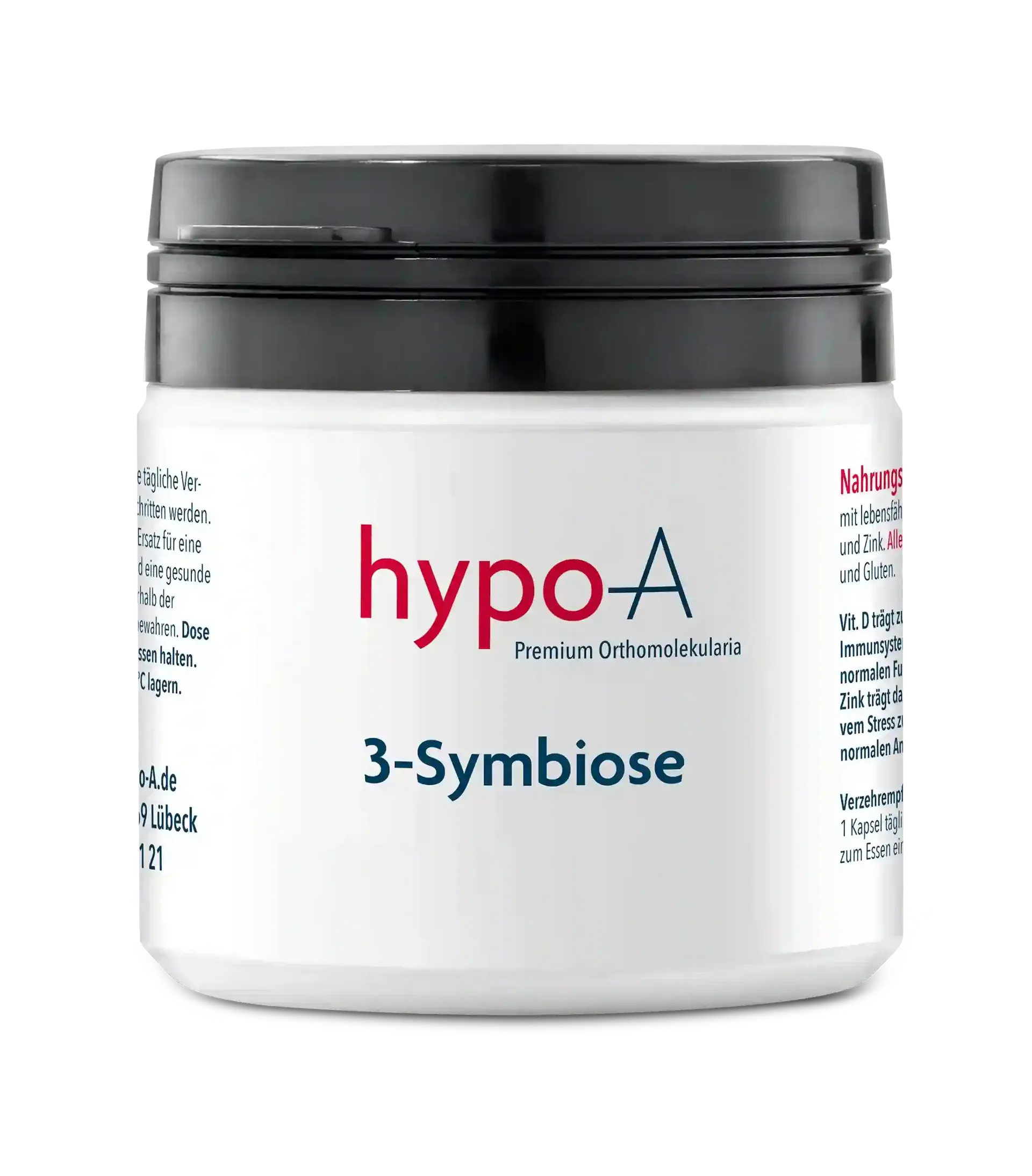
Content: 0.055 kg (€776.36 / 1 kg)

Content: 0.064 kg (€467.19 / 1 kg)

Content: 0.093 kg (€474.73 / 1 kg)
Content: 0.0354 kg (€1,268.36 / 1 kg)

Content: 0.062 kg (€712.10 / 1 kg)
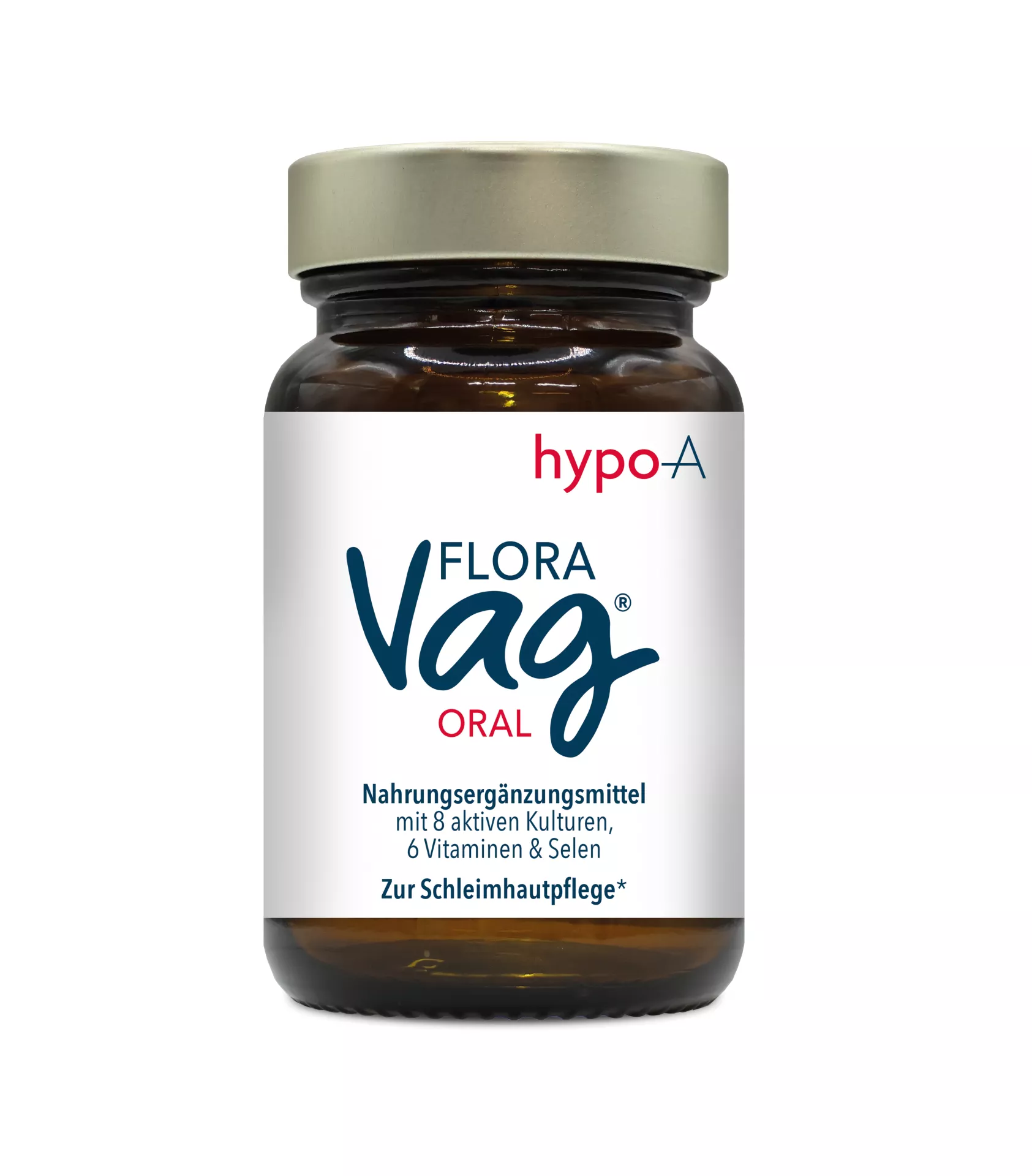
Content: 0.03 kg (€1,250.00 / 1 kg)

Content: 0.0787 kg (€379.92 / 1 kg)

Content: 0.0553 kg (€798.37 / 1 kg)

Content: 0.0994 kg (€331.99 / 1 kg)

Content: 0.1073 kg (€278.66 / 1 kg)

Content: 0.0855 kg (€349.71 / 1 kg)

Content: 0.0675 kg (€654.07 / 1 kg)

Content: 0.1118 kg (€267.44 / 1 kg)

Content: 0.066 kg (€668.94 / 1 kg)

Content: 0.0854 kg (€516.98 / 1 kg)

Content: 0.055 kg (€543.64 / 1 kg)

Content: 0.0588 kg (€641.16 / 1 kg)

Content: 0.051 kg (€715.69 / 1 kg)
How does our immune system work?
What we call the immune system consists of many different interlinked mechanisms and is as complex as it is fascinating. Its main task is to either keep foreign and harmful substances and pathogens away or prevent them from having an effect. As a basic prerequisite, the organism must recognise what is endogenous and what is foreign and potentially dangerous. If contact with pathogens cannot be avoided, the immune system tries to prevent them from spreading in our body. We then notice this through signs such as exhaustion or tiredness.
There are innate and acquired immune responses. From birth, for example, we are protected by the skin's natural acid mantle and the ability to flush foreign bodies out of the eyes with the help of tear fluid. These reactions are also referred to as non-specific because they do not differentiate between the supposed "attackers" - eyes do not differentiate between pollen, dust or small insects.Over the course of our lives, our immune system develops additional defence strategies that specifically target certain pathogens: the specific, acquired immune defence. It is able to memorise the pathogens we have come into contact with so that it can react immediately the next time. So lernt unser Immunsystem mit jeder Infektion etwas dazu. Gut zu beobachten ist das in Krippen und Kindertagesstätten – und das nicht nur in Herbst und Winter: Der Kontakt mit unzähligen neuen Krankheitserregern fordert das Immunsystem der Kinder stark heraus und fördert damit zugleich ihre Abwehrkräfte.
Building and supporting the immune system
Luckily, we are born with so-called nest protection, i.e. a basic immunity to infectious diseases that lasts for up to six months. We also have a learning immune system that adapts to new environments and environmental stimuli and can recognise infections we have already experienced. As we are constantly in contact with foreign substances and pathogens, our immune system learns and works day and night. It needs sleep to regenerate and replenish its reserves. During the day, it is constantly busy protecting us from harmful influences.
Restful sleep is therefore an important factor in supporting the immune system, preventing illness and allowing our body to concentrate on fighting an incipient illness. Sufficient water, a varied diet rich in vitamins, if possible with organic foods, exercise in nature, fulfilling social contacts and healthy resilience are also helpful for a reliable immune defence. If you don't get enough vitamins and minerals from your diet, you can support your immune system with high-quality nutritional supplements.In addition to vitamin C and the trace element zinc, the best friends of the body's defences at cell level, vitamin A, vitamin D, selenium and iron as well as the B vitamins pyridoxine (vitamin B6), folic acid (vitamin B9) and vitamin B12 also contribute to the normal functioning of the immune system. A good supply of B vitamins is also suitable for keeping our immune system alert and full of energy, as riboflavin (vitamin B2), niacin (vitamin B3), pantothenic acid (vitamin B5), pyridoxine (vitamin B6), folic acid (vitamin B9) and vitamin B12 also help to reduce tiredness and fatigue.Power food for the immune system: vitamins and nutrients in food
We usually learn as children that a healthy diet is important for our immune system. What exactly a healthy diet looks like, however, is not quite so self-explanatory and is always individualised in terms of personal nutritional requirements, intolerances and other circumstances.
What we can say for sure, however, is which vitamins and nutrients are good for our immune system and which foods contain them. The classic micronutrient for the immune system is vitamin C. Acerola cherries and local fruits such as sea buckthorn, rose hips and blackcurrants are known to be particularly good sources of vitamin C. The aronia berry also contains folic acid, provitamin A, vitamin B2 and vitamin K. Trace elements such as selenium, iron and zinc are also among the favourites of the immune system. These nutrients can be found in many regional vegetables. Potatoes and fennel, for example, contain iron, while nuts and seeds provide zinc.
With a little practice, we can rely on our nose when choosing our food: Regional fruit and vegetables are particularly nutritious when they are at their most fragrant.Special challenges for the immune system
How susceptible we are to infectious diseases depends on many factors. Even an immune system that is healthy in and of itself is not always in the same good shape, depending on life circumstances.
Persistent tension and stress are a particular challenge for our defences, as our body releases more cortisol under stress, which weakens the immune system. At the same time, we often develop illness-causing behaviours during demanding phases of life: Lack of sleep, lack of exercise and increased consumption of nicotine and alcohol are not conducive to our defences.
Further challenges for the immune system include hormonal changes such as pregnancy, underlying diseases such as diabetes mellitus or micronutrient deficiencies as a result of taking medication.The time of year can also have an impact on our immune defence. In the cold season, we often spend more time indoors, where pathogens can collect and spread. If you get out into the fresh air in autumn and winter, you can support your immune system. One influence that is less easy to compensate for is reduced sunlight. This means that the body can produce less vitamin D, which is beneficial for our immune system. This makes a vitamin-rich diet all the more important, especially in autumn and winter, which should contain vitamin A, vitamin B12, vitamin C, folic acid and trace elements such as zinc, selenium and iron in addition to vitamin D.
Especially in times when the immune system is under great strain, high-quality nutritional supplements provide us with the relevant micronutrients in pure form and high quality. This can save us from some infections or at least mitigate their progression.Defense strength for the cold season - 10 tips for autumn and winter
- Eat colorfully and organically: Fresh, unprocessed foods – organic if possible – contain important vitamins, minerals and trace elements.
- Sleep enough and restfully: Regeneration processes that are essential for the immune system take place during sleep.
- Relax consciously: relaxation breaks regulate cortisol levels and promote inner balance.
- Exercise regularly: Exercise activates our immune system - especially if it takes place in the fresh air and we enjoy it.
- Drink a lot: Sufficient water and herbal teas are always good for our organism - even more so in autumn and winter, because our mucous membranes now need a lot of moisture.
- Wash your hands: We are constantly surrounded by bacteria and germs. If we wash our hands and food regularly, we relieve our immune system of some of the work.
- Take a deep breath: Fresh air is not just good for the soul. To ensure that our lungs supply us with oxygen, they should be optimally ventilated.
- Healthy routines: Our organism benefits from regularity. If we sleep and eat irregularly or walk through the forest for 4 hours without training and then go without exercise for weeks, this is a challenge for the immune system.
- Social contacts: Mental and physical health are inextricably linked. We now know that social contacts that are perceived as good strengthen well-being, while loneliness and lack of involvement weaken the immune system and health.1
- Supplement nutrients: Many people in Central Europe do not have enough vitamin D during the cold season. High-quality dietary supplements can close gaps in the supply of vitamins, minerals and trace elements.
Myths and half-truths about the immune system
- “If we freeze, we catch a cold.”
This statement is not correct, but it is not wrong either. The name “cold” is misleading because it is actually a viral infection. Nevertheless, when we freeze, the vessels contract and the resulting reduced blood flow also results in less activity of the immune cells. This makes it easier for viruses.
- “Isolation protects against infections”.
Of course, we can hardly become infected if we do not come into contact with pathogens. But we cannot survive in a sterile environment and in isolation our immune system does not learn what it needs to protect us from. If we do come into contact with pathogens, the illness may be even worse.
- “An apple a day keeps the doctor away.”
It is true that our immune system needs certain nutrients, including vitamin C, B vitamins and antioxidants, which are found in apples. However, an apple alone cannot protect us from all diseases. For example, we would have to eat 12 apples every day to reach our daily requirement for vitamin C.2 Apples can still make a valuable contribution to our diet.
- “Sport is good for the immune system”.
The statement is too general. Regular exercise is good for our health – and therefore also for the immune system. However, if we often push ourselves to our limits or even beyond our limits during training, we put a strain on our metabolism. There is then little capacity left for defensive reactions, so that we may become more susceptible to infections.
- “A flu vaccination also protects against colds”
That would be nice, but unfortunately it's not true. The causative agents of most so-called colds are rhinoviruses, which occur in countless variations and are constantly changing. By the time a vaccination has been developed for a variant, the pathogen has long since mutated and the vaccination is ineffective. The same problem also exists with the flu virus, but researchers have developed a strategy to get ahead of the slower mutations so that a new vaccine can be developed for each year.
[1] https://www.quarks.de/gesellschaft/psychologie/so-sehr-kann-uns-einsamkeit-krank-machen/
[2] https://www.augsburger-allgemeine.de/panorama/apfel-diese-vitamine-stecken-drin-15-12-23-id65362246.html